Many years ago, I read a spy thriller by a successful US author. I remember only two things about the book: first, it was over 1,000 pages long, and it must have been good, because I got to the end of it. Second, the hero was a “funny guy”. At one point, the author sought to establish the character’s humorous credentials by having him tell a joke.
From memory, the joke was a good one, but I still think this a dangerous way to introduce humour into a novel. The joke ran on for almost a page. Did it help to establish the hero’s character? Maybe. But it had nothing to do with the plot, and it brought the story to a grinding halt.
For me, humour is most effective when it stems from character. Take my character Kempis Parr from Dragon Hunters, for example. Kempis is a grump. He hates authority, and his greatest ambition is to piss off the whole world one person at a time. In book four of the Chronicles of the Exile (coming next year!), his partner Sniffer tells him: “You know, sir, just because someone tells you not to do something, doesn’t mean you have to do it.”
Sniffer is not trying to be funny; she is speaking in frustration. And Kempis certainly isn’t amused by her comment. The humour arises from Kempis’s fractious personality, and from the fact that his job requires him to rub shoulders with the sort of person he dislikes most. Putting characters into awkward situations is a good first step to creating humour.
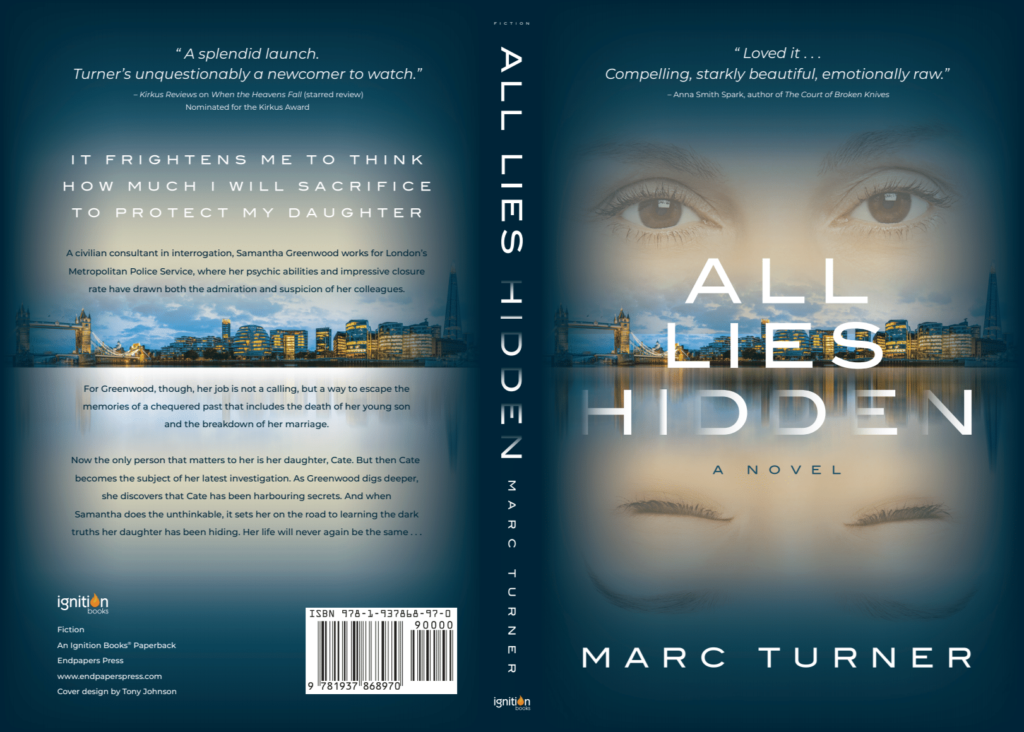
This idea of a character not trying to be funny is, for me, an important element of humour. In my forthcoming thriller, All Lies Hidden, the main character, Samantha, is a psychic working with the Metropolitan Police Service. She does not take fools lightly. At one point, she has to interview an unhelpful witness, Paul Jorden:
Jorden folds his arms. “I got nothing more to say,” he insists, glancing at the receptionist to make sure she sees him putting the police in their place. “If you need anything else, you’ll have to speak to my lawyer.”
It’s an absurd thing to say, and everyone here knows it. How many people deal often enough with a criminal solicitor to be able to call them “my lawyer”? Aside from mobsters, that is.
“Who is this lawyer?” I ask. “In case we need to speak to him.”
He doesn’t exist, obviously. For a second, I see Jorden is tempted to pluck a false name from the air. Then sense prevails, and he says, “Just some guy.”
“Some guy,” I repeat. “Oh wait, I think I know him. Isn’t he the one who works for some firm over in some place?”
Again, Samantha is not trying to be funny; she speaks out of exasperation, and in an effort to coax the witness into cooperating. Does she succeed? I guess you’ll just have to read the book to find out . . .